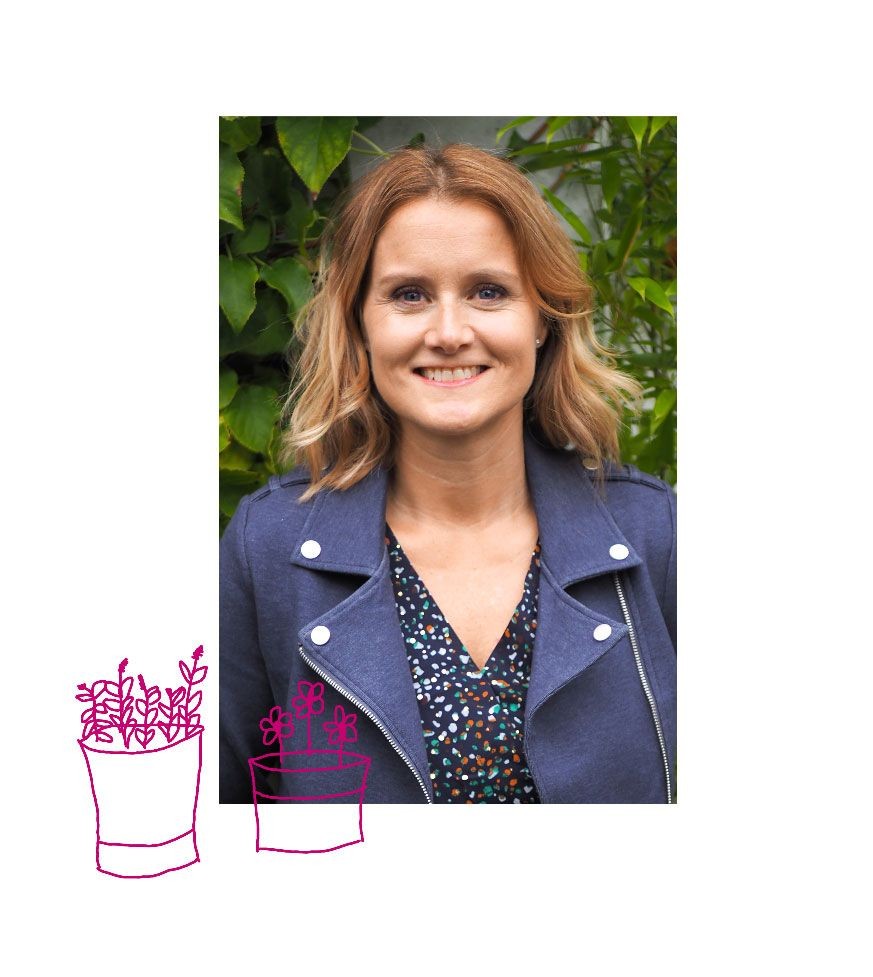
Emma’s ideas were being looked over at work.
We gave her the techniques to make herself heard.
Emma’s in her 50’s and is a commercial and contracts manager for a medium-sized family run company. She’s a real character and really enjoys her job. She came to dream on because, while she loves what she does, she was feeling lonely at work. Not only this, but her voice wasn’t being heard.
The firm was quite male-dominated and they were a sporty crew. When they had team meetings, it seemed to Emma that she was seen as the detail person. She was the one who was viewed as slowing things down by thinking about what could go wrong. This frustrated her especially as in her role it was important to think strategically to take the company forward. But her opinion was frequently overlooked and she felt boxed-in and type-cast.
Emma found herself behaving more like her male colleagues in order to fit in, but this wasn’t true to her own personality. She also had other worries at work. They had quite a large workforce, and managing people who don’t report directly into you can be particular challenge if you want to encourage people to do things differently. She wanted advice on how to motivate and engage them – she wanted to be a better leader.
At first with Emma we focused on building her self-understanding. We used a technique called Strengthfinder to help her understand what her strengths were. We also encouraged her to run a similar Strengthfinder session back in the office were her colleagues. We plotted all the results on a piece of paper. Through this we helped Emma work out how she could best connect with the different personalities on the team. We worked on her leadership and influencing skills and helped her use language to encourage more strategic future thinking. So rather than always saying “I think we should do this”, or “We can’t do that” she started to use more open language like “I can imagine that we could possibly do this”. We also worked with her on her love of detail. We encouraged her to keep a focus on the practicalities, but not to close down discussions by always thinking of impossibilities.
To help Emma with her strategic thinking we worked with her on mind mapping and other creative techniques. We even got the paints out and let her imagination run free for an afternoon. We worked with her to come up with a new strategy for one area of the business.
When Emma first came to dream on we initially met every month. But she doesn’t need this any longer and we now meet every 3 months. She’s got more comfortable, and she’s got more confident. She’s being listened to at work. She feels part of a team.
Emma likes to come to us now to help her stay true to keeping a strategic perspective at work.
But there’s more than that. She tells us she visits for fun and for laughter.
For Emma, dream on is a place where she can truly be herself.